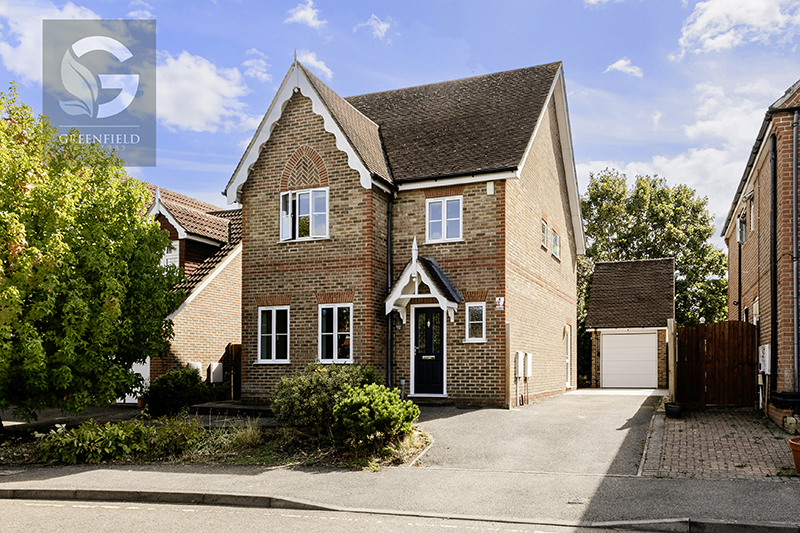
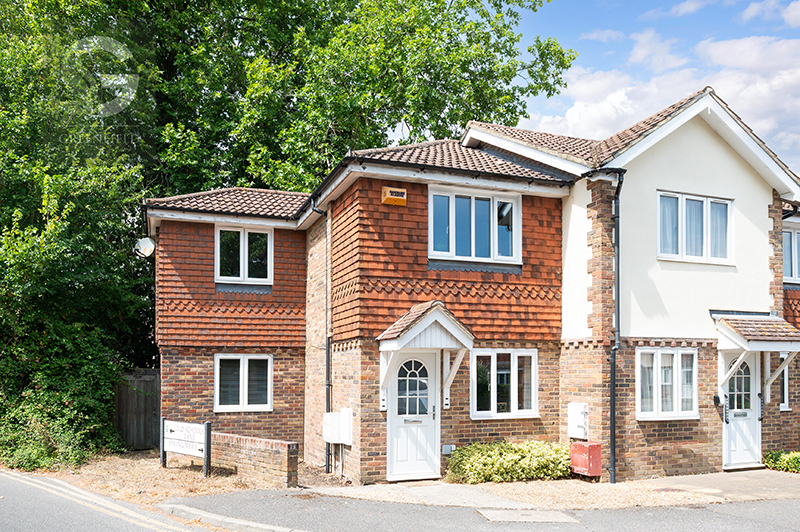
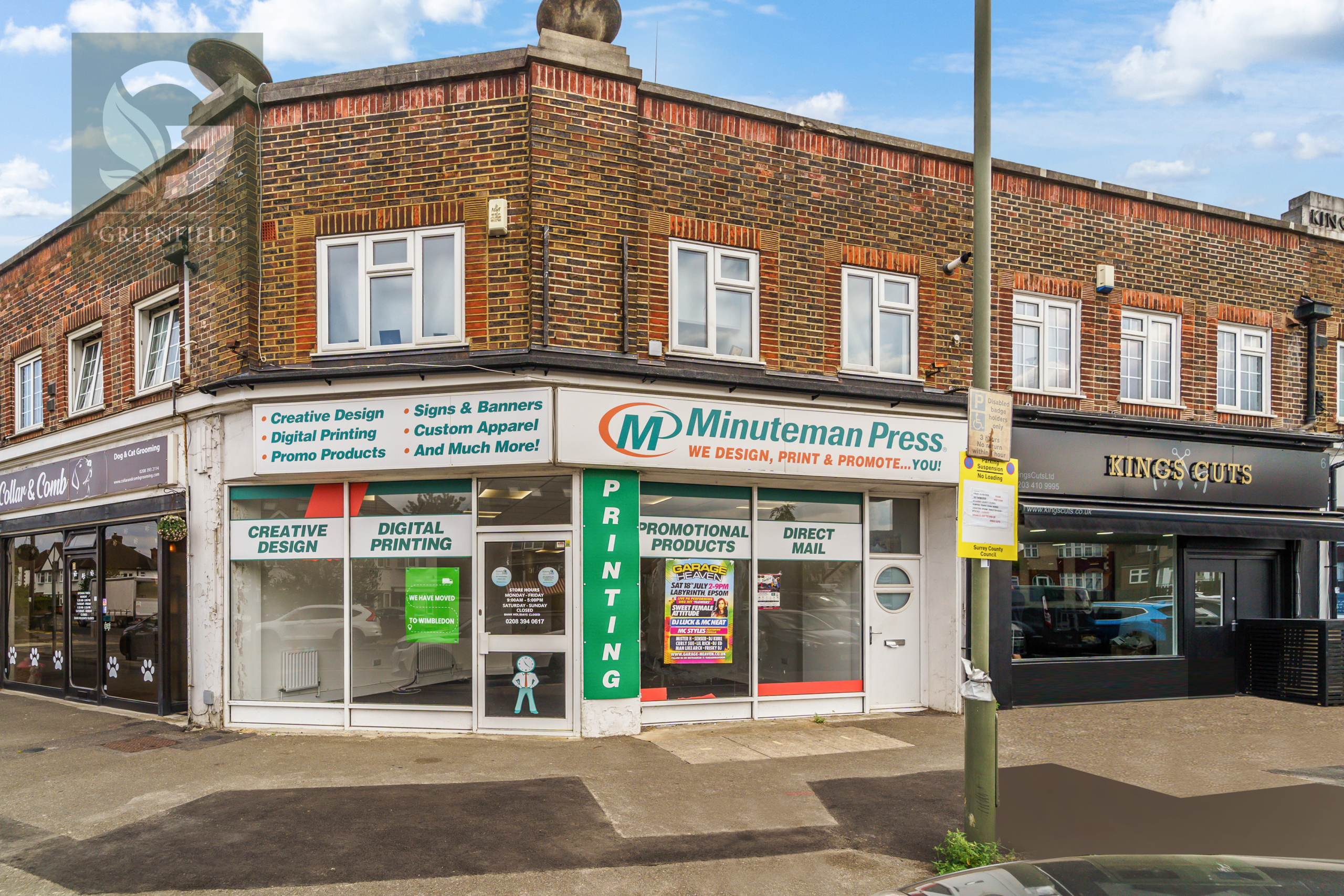
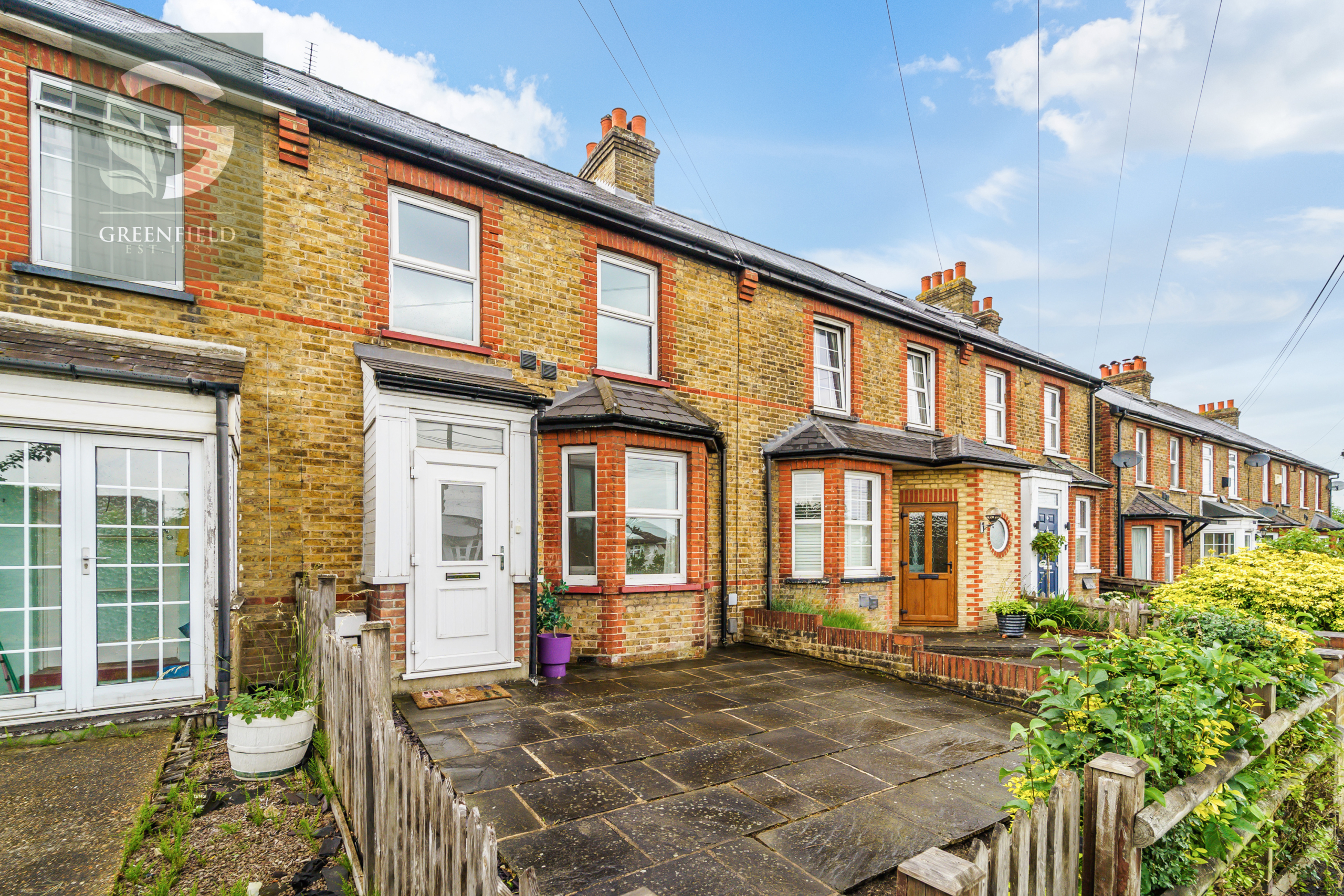
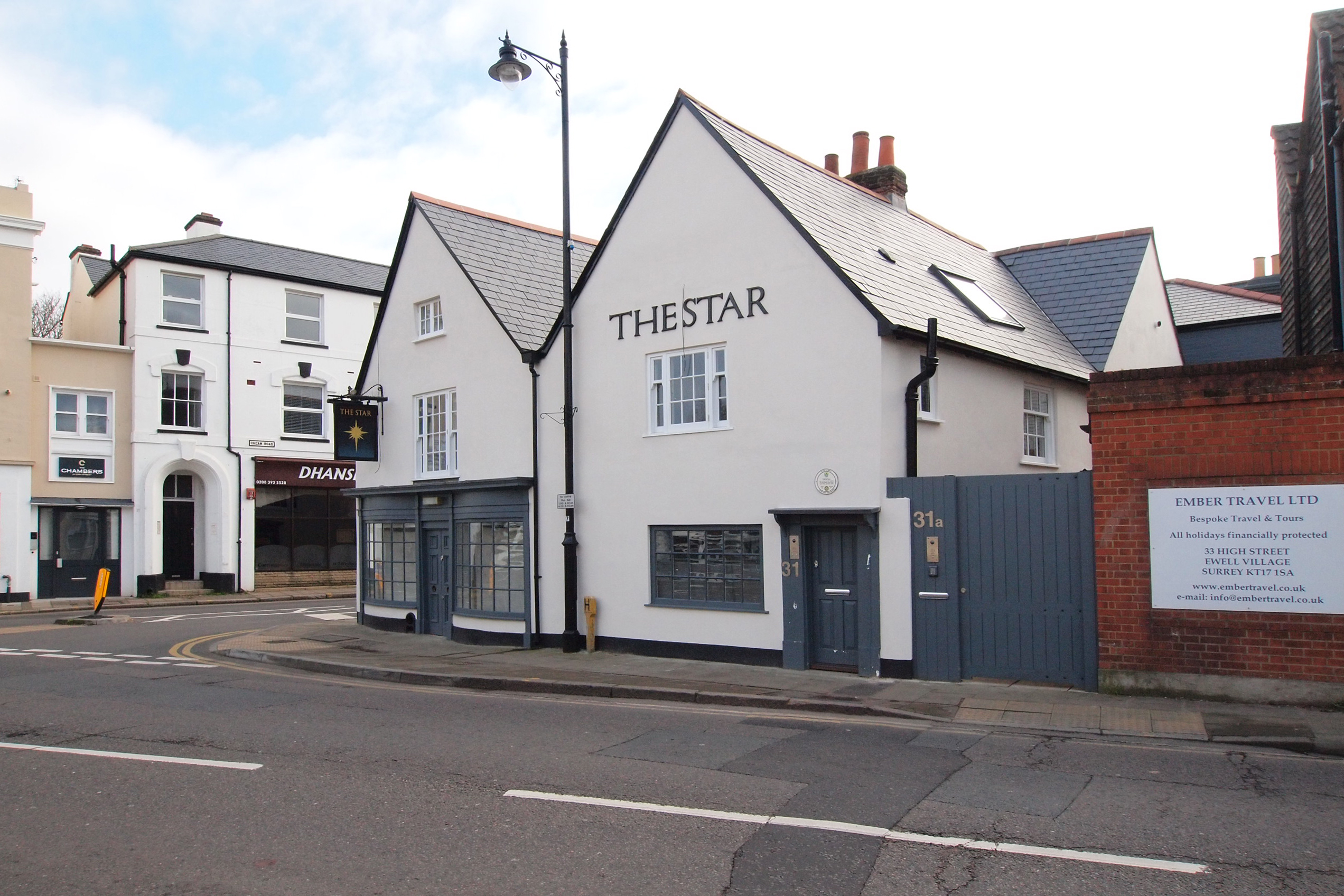
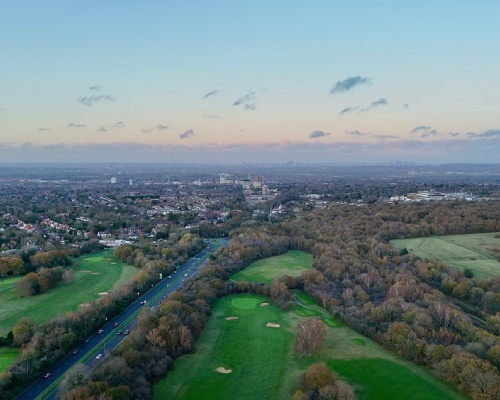
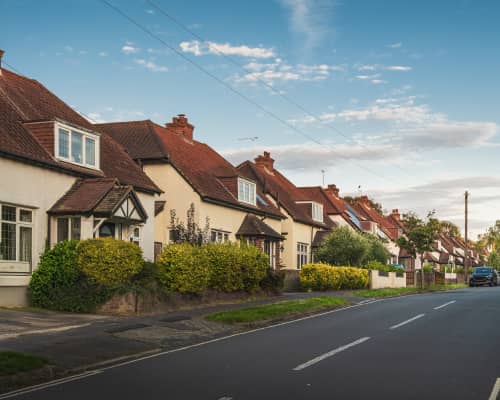
Architecture: Epsom’s housing stock reflects its history as a spa town turned commuter settlement. The south side of town, around Worple Road, Ashley Road, Church Street and Chalk Lane, holds the best of the older properties, including late Georgian villas, grand Victorian family houses and Edwardian semis. The Worple Road Conservation Area was developed from the 1860s onwards with a varied set of terraced, semi-detached and detached houses, and the Church Street Conservation Area covers much of the medieval heart of the town.
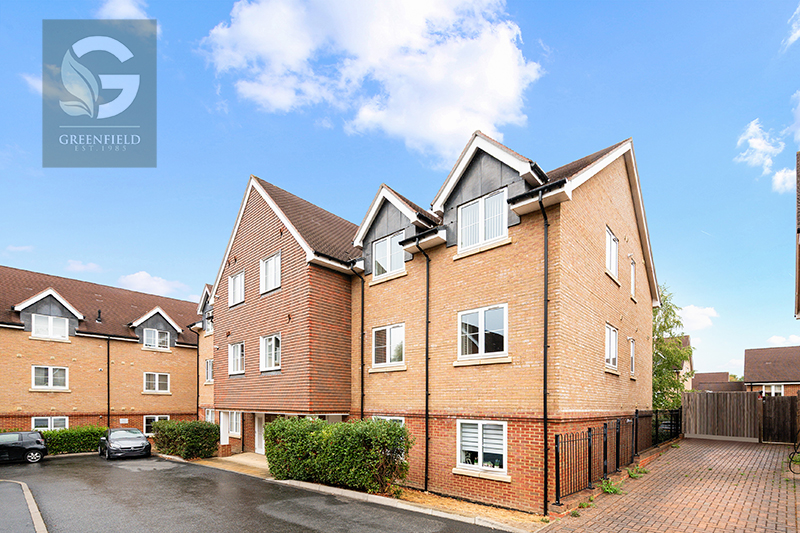
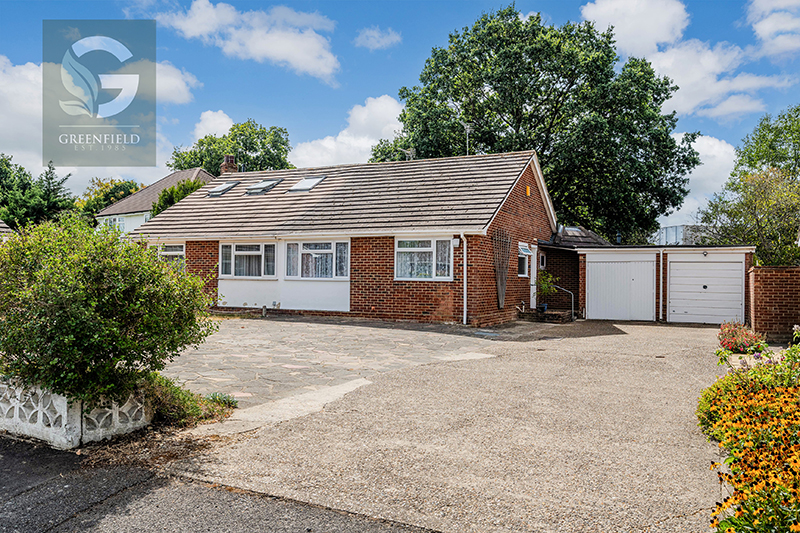
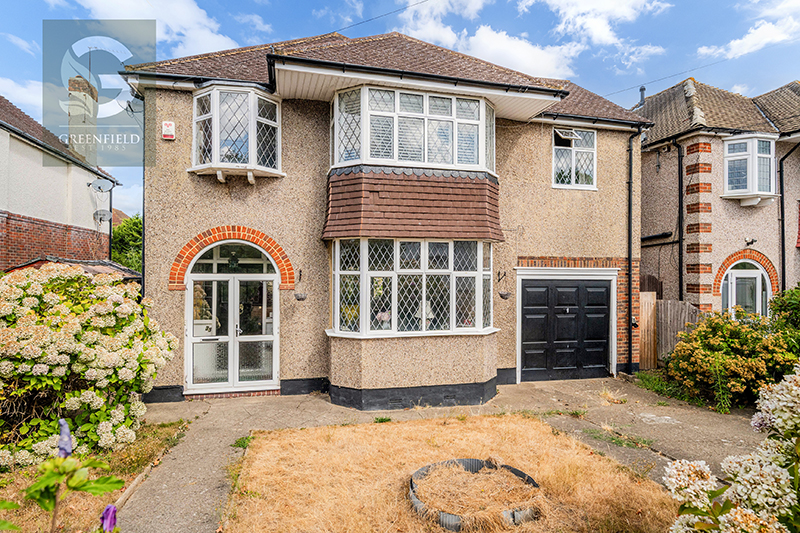
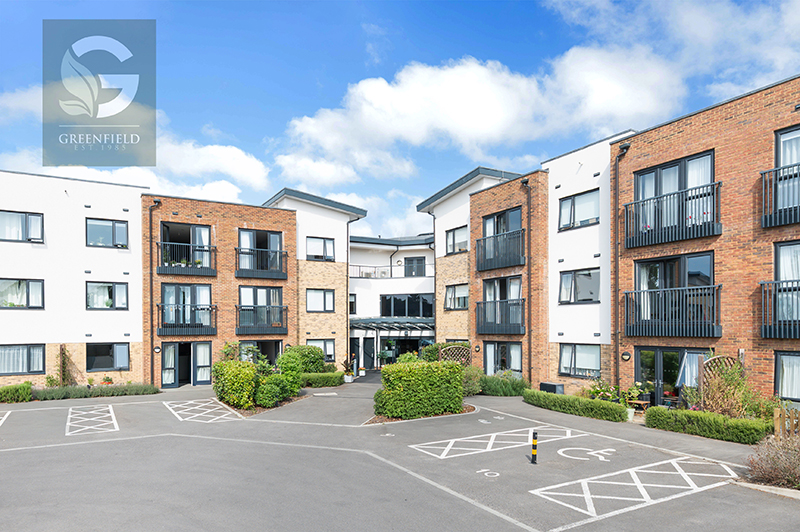
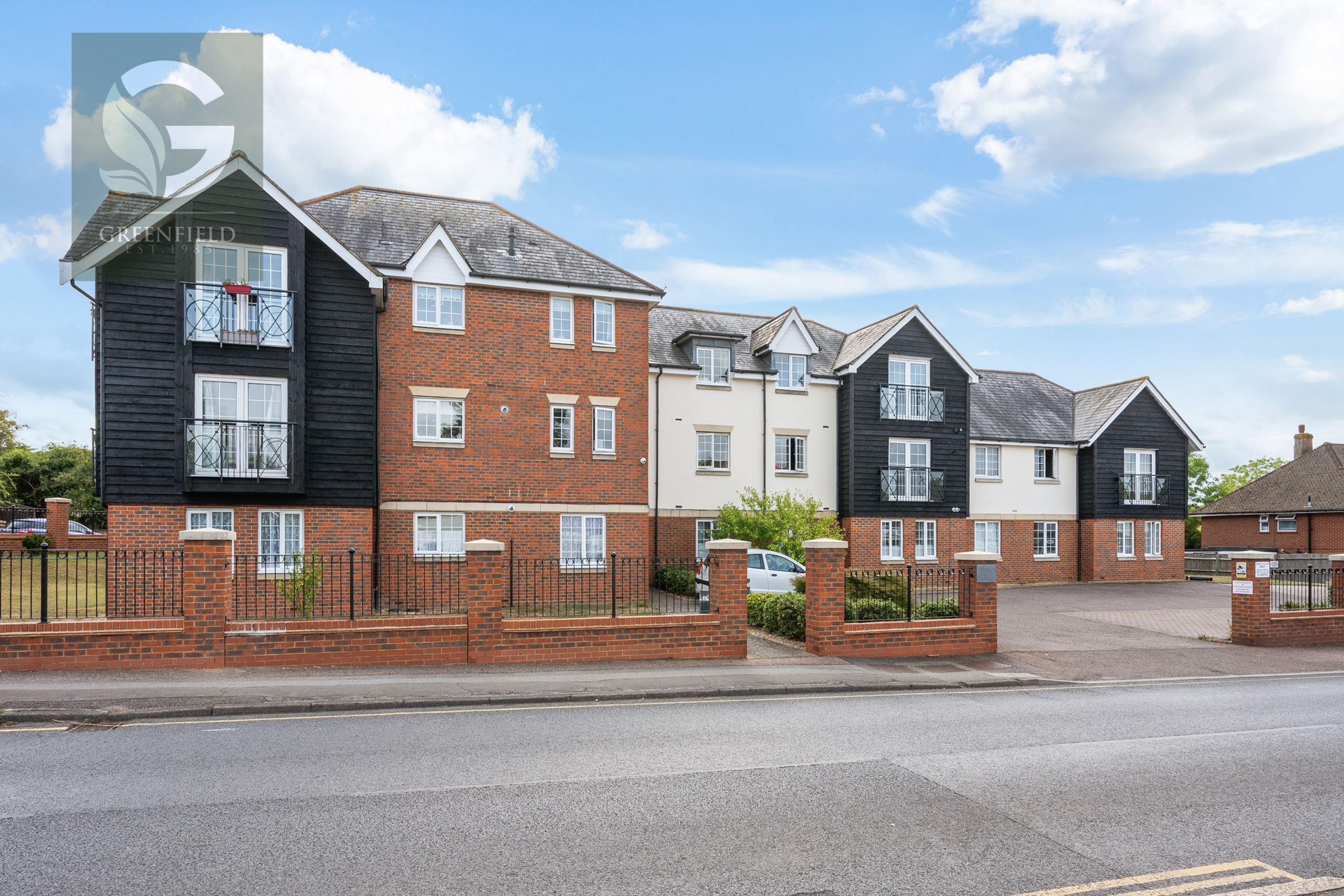
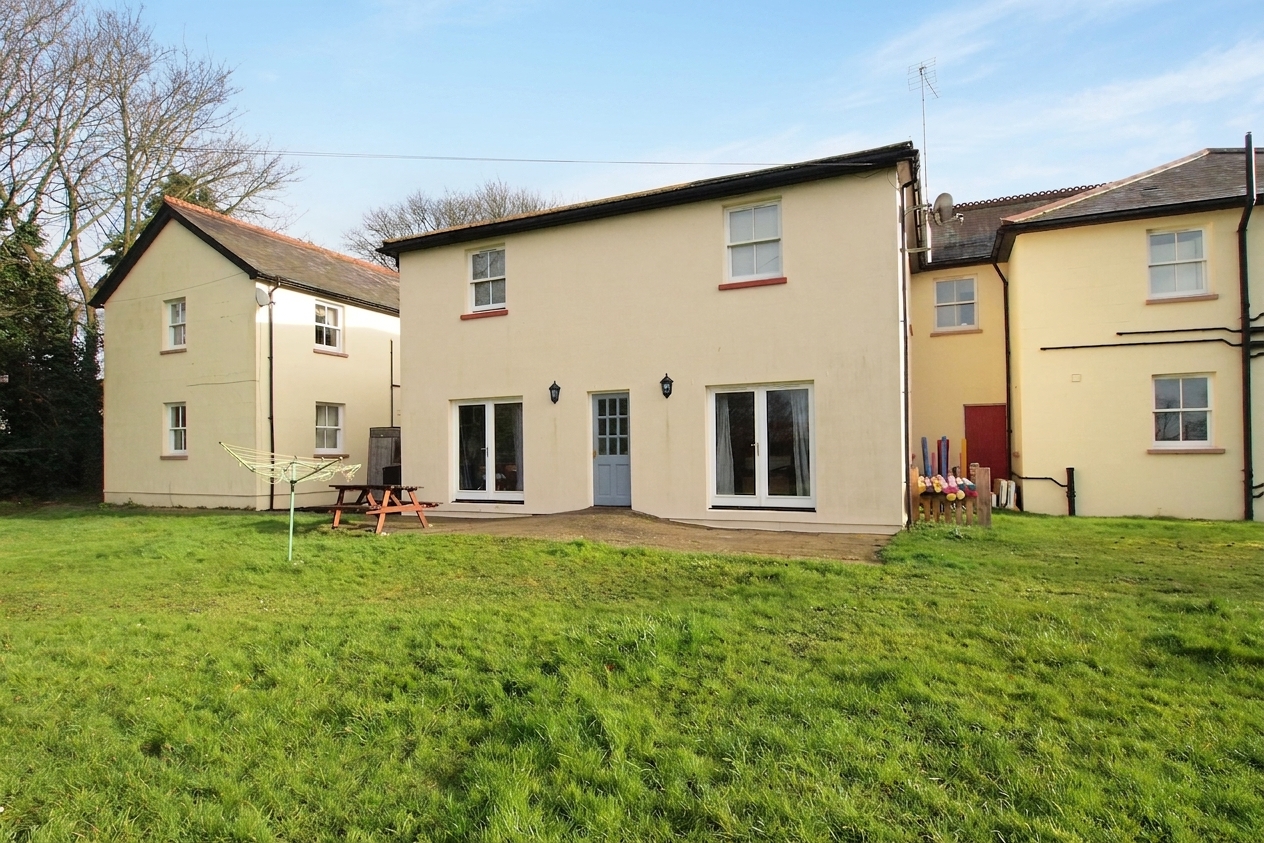
Further out, you’ll find interwar semis, 1930s bay-fronted family homes around Woodcote, post-war estates near Horton and newer apartment blocks near the station. The town also has a number of converted mews cottages around Woodcote Place, a genuinely distinctive type of home for the area.
The best streets for period property sit on the south side of town: Worple Road, Ashley Road, St Martin’s Avenue, Chalk Lane, Woodcote Road and South Street all hold substantial Victorian and Edwardian houses, with prices to match. For family homes with gardens, the streets around Pine Hill, Woodcote Green Road and the cul-de-sacs off Downs Road are consistently in demand. Closer to the station, Rosebery Park and the streets feeding off it offer a walk-to-train option that’s popular with commuters.
Developments: Epsom is in the middle of a substantial development phase. The borough council’s local plan has allocated 35 sites for redevelopment, covering nearly 5,000 homes. The single largest site is Horton Farm, between Horton Lane and Hook Road, where more than 1,250 homes are earmarked alongside business space and a park.
Closer to the centre, the Southern Gas Network site has been allocated for around 455 dwellings and a new performing arts centre for Laine Theatre Arts, while a combined scheme at Depot Road and the Upper High Street car park is earmarked for around 100 homes with a decked public car park. The Epsom Town Centre Masterplan sets the framework for how these sites will come forward.
Property prices: The average house price in Epsom and Ewell was £558,000 in February 2026. This placed Epsom and Ewell fifth highest for average house price in the South East. By property type, detached homes averaged £962k, semi-detached £638k, terraced £481k, and flats and maisonettes £296k. Prices for semi-detached homes are up by more than 3%, while flat prices fell by 1%. First-time buyers paid an average of £416,000, and home-movers £690,000. These figures compare favourably with neighbouring Worcester Park, which shares the borough’s commuter-belt premium, and run noticeably ahead of nearby Sutton.
Rental market: The average monthly private rent in Epsom and Ewell was £1,682 in February 2026, in line with £1,683 in February 2025, a change of 0.1% over the year. By property type, average rents were £1,341 for flats and maisonettes, £1,650 for terraced, £1,872 for semi-detached and £2,462 for detached. By bedroom count, one-bed homes averaged £1,176, two-beds £1,472, three-beds £1,858, and four-or-more-beds £2,592.
The rental market here is holding rather than growing in nominal terms, but the underlying drivers for landlords stay strong, namely direct trains to Waterloo, Victoria and London Bridge, the University for the Creative Arts campus, and steady demand from professional tenants priced out of Kingston and central London. For time buyers too, the range of flats near the station gives a realistic entry point into the borough.